
Injections vs Creams vs Other Options
When starting Testosterone Replacement Therapy (TRT), one of the most important—and often confusing—decisions is how you take it.
While many people assume testosterone is “just a shot,” the reality is there are several effective options. Each comes with its own advantages, trade-offs, and ideal use cases. At Flow Wellness, we guide you through this decision based on your goals, lifestyle, and how your body responds—not a one-size-fits-all protocol.
First, What Does “TRT Dosing” Actually Mean?
Before comparing options, it’s important to understand that TRT isn’t just about how much testosterone you take—it’s also about:
- How consistently levels are maintained
- How your body absorbs and metabolizes it
- How you feel between doses
In other words, delivery method directly impacts your results.
Option 1: Testosterone Injections
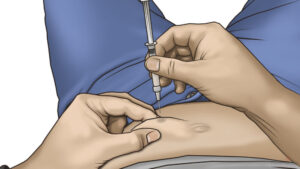
Why many patients choose injections
To start, injections are the most commonly prescribed form of TRT—and for good reason.
They offer:
- Reliable absorption
- Precise dosing control
- Typically stronger and more consistent results
Additionally, injections can be administered:
- Weekly
- Twice weekly
- Or even more frequently for smoother levels
However, there are trade-offs
On the other hand:
- Some patients dislike needles
- Peaks and troughs can occur if spaced too far apart
- Requires comfort with self-administration
That said, with proper dosing frequency, most of these downsides can be minimized.
Option 2: Topical Creams (Transdermal TRT)

A convenient, needle-free option
Alternatively, topical creams are a great option for patients who prefer a daily routine without injections.
They offer:
- Steady, daily hormone delivery
- Ease of use
- No needles
But consistency matters more here
Creams require:
- Daily application (no skipping)
- Attention to absorption variability
- Care to avoid transfer to partners or children
As a result, this option works best for patients who value routine and consistency.
Option 3: Other TRT Options
In addition to injections and creams, there are other options—though they’re used more selectively.
These include:

Pellets
- Inserted under the skin every 3–6 months
- Long-lasting and low-maintenance
However:
- Less flexible for dose adjustments
- Requires minor procedure
Oral Testosterone
- Convenient and easy to take
But:
- Not always first-line due to liver metabolism considerations
- Requires careful monitoring
Patches
- Provide steady delivery
Although:
- Skin irritation is common
- Less popular overall
So, Which TRT Option Is Best?
Ultimately, the “best” option depends on you.
For example:
- If you want maximum control and effectiveness → injections
- If you prefer simplicity and no needles → creams
- If you want minimal maintenance → pellets
That said, your response over time matters just as much as your starting choice.
How Flow Wellness Approaches TRT Dosing
Rather than locking you into one method, we:
- Start with a strategy tailored to your goals
- Monitor how you actually feel—not just your labs
- Adjust dosing, frequency, or delivery method as needed
Because of this, patients don’t get stuck—they optimize!
What Most Clinics Miss
Many clinics focus only on prescribing testosterone.
However, delivery method, dosing frequency, and follow-up adjustments are what truly determine results.
At Flow Wellness, we focus on:
- Stability over spikes
- Consistency over convenience alone
- Long-term outcomes over short-term fixes
Bottom Line
TRT isn’t just about taking testosterone—it’s about how you take it and how it’s managed over time.
- Injections offer control and potency
- Creams offer simplicity and steady delivery
- Other options provide flexibility in specific situations
With the right guidance, you can find a protocol that fits your life—and delivers real, lasting results.
Read more about testosterone and hormone replacement therapy here: